
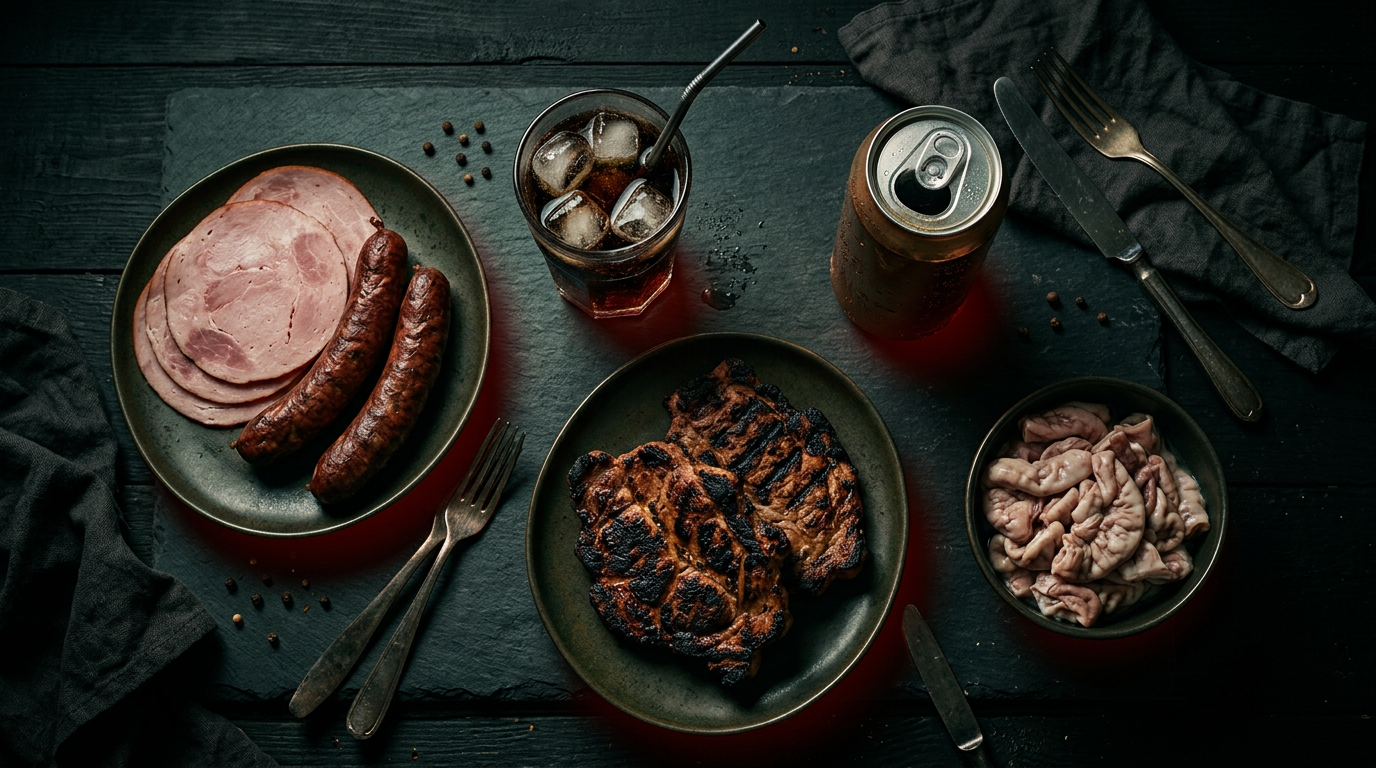
Oncologists and cancer nutritionists agree on one thing:
What you eat can either starve cancer cells
or feed them.
Here are the 5 foods that medical professionals
consistently flag as the ones most likely
to fuel cancer growth — backed by science,
not fear.
1. Processed Meat (Ham, Sausage, Bacon)
This isn’t a maybe. It’s official.
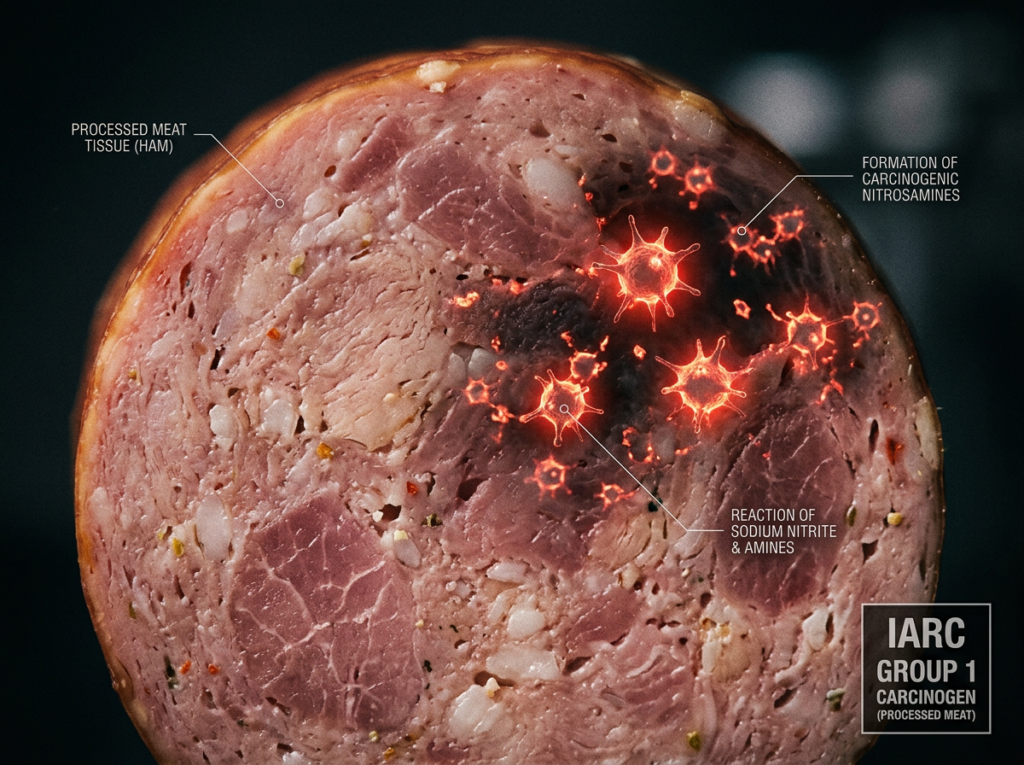
The World Health Organization’s International
Agency for Research on Cancer (IARC) classifies
processed meat as a Group 1 carcinogen —
the same category as tobacco and asbestos.
The culprit: sodium nitrite and other preservatives
added during processing. Inside your body,
these compounds transform into nitrosamines —
powerful cancer-causing substances.
Oncologists are blunt about this one:
“If you could only eliminate one food for
cancer prevention, processed meat would be
the unanimous answer.”
2. High-Fat Animal Parts (Intestines, Fatty Cuts)
Tripe, large intestine, extremely fatty cuts —
doctors warn these are breeding grounds
for chronic inflammation in the body.
Research published in journals including Nature
found that specific fatty acids derived from
high-fat diets act as fuel for cancer cell metastasis and proliferation.
Occasional consumption isn’t the issue.
Making these a dietary staple is.
3. Charred and Flame-Grilled Meat
According to guidelines from the National Cancer
Center and the American Institute for Cancer Research (AICR):
When meat is cooked directly over flame
or burned, it produces benzopyrene and
heterocyclic amines — both potent carcinogens.
The fix is simple: swap grilling and charring
for boiling and steaming.
Research suggests this change alone can reduce
harmful substance intake by over 90%.
When you do grill, avoid burning.
Charred parts should be cut away entirely.
4. High-Fructose Corn Syrup and Refined Sugar
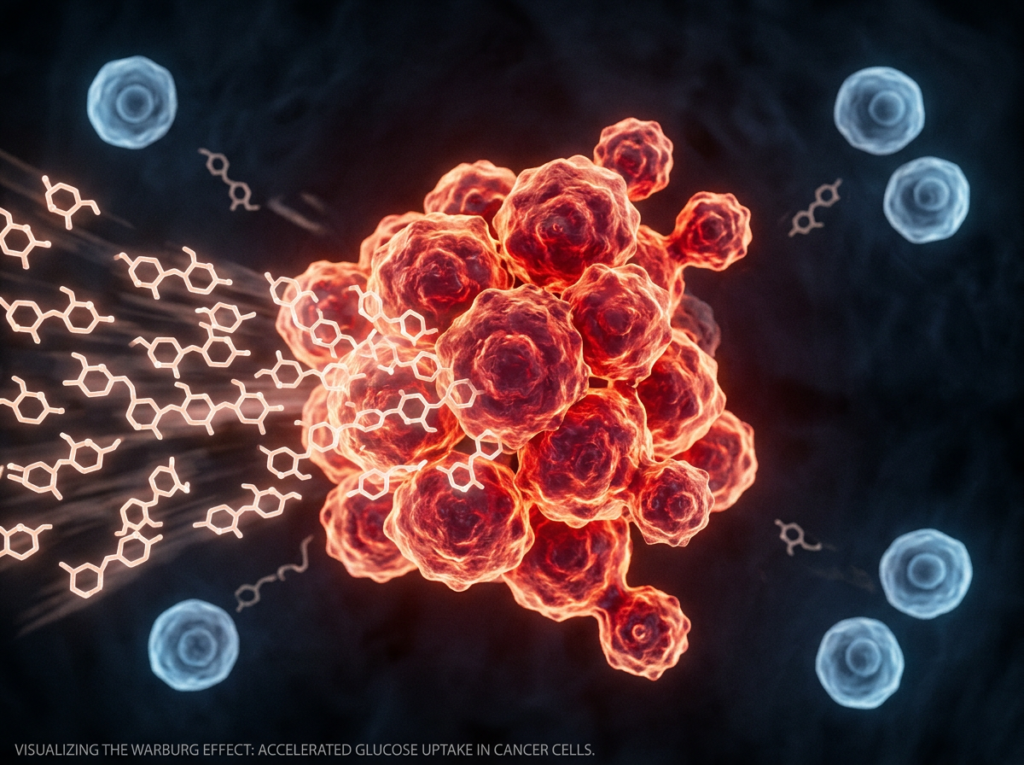
Cancer cells absorb glucose up to tens of times faster than normal cells — according to research
cited by MD Anderson Cancer Center, one of
the world’s leading oncology institutions.
High-fructose corn syrup (found in most sodas
and sweetened drinks) causes rapid blood sugar
spikes, triggering insulin surges that actively
promote cancer cell growth.
Experts put it simply:
“Feeding cancer cells sugar is exactly
what it sounds like — feeding cancer cells.”
Practical swap: sparkling water or unsweetened
tea when you crave something fizzy.
5. Alcohol
American oncology nutritionist Nicole Andrews
is direct on this:
“When alcohol breaks down in the body,
it produces acetaldehyde — a substance that
directly damages DNA and interferes with
cells’ ability to repair themselves.”
The medical community has moved beyond
“drink in moderation.”
The current position: “The safe amount of alcohol for cancer prevention is zero drinks.”
Even a single drink can disrupt immune function.
The Nuance That Matters
Here’s what doctors don’t want you to miss:
Extreme fear of food is also dangerous.
Chronic anxiety about eating —
“if I eat this I’ll get cancer” —
elevates cortisol levels.
Chronically high cortisol suppresses
immune cell activity.
The stress itself becomes a health risk.
The real message from oncologists isn’t
“never eat these foods.”
It’s this: “Every day, in large amounts, burned to a crisp” — that’s the dangerous pattern.
The practical approach:
- Grill occasionally, not daily
- When you do grill, add plenty of garlic,
onion, and leafy greens — they inhibit
carcinogen absorption - Swap frying and charring for steaming and boiling
- Choose fresh meat over processed versions
- Replace sugary drinks with unsweetened alternatives
Small, consistent changes. Not perfection.
Which of these 5 surprised you most? Are any of them staples in your diet right now? Tell us honestly in the comments. 👇