
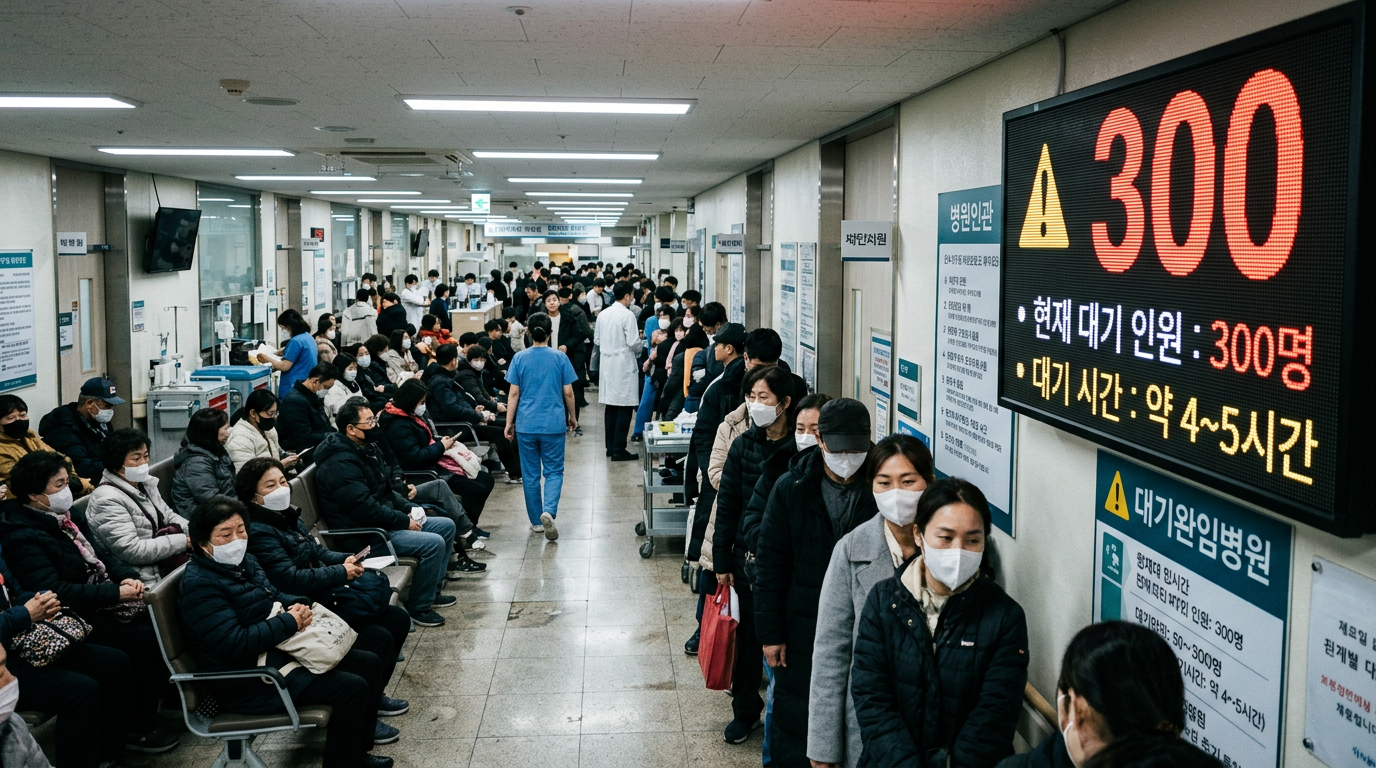
South Korea has one of the world’s most generous public
healthcare systems. But the government just drew a hard line
against people who abuse it.
Starting in 2027, if you visit a doctor more than 300 times
in a single year, you’ll pay 90% of your medical bills
out of pocket — for every visit beyond that threshold.

What Is “Medical Shopping”?
In South Korea, the term “의료쇼핑” (medical shopping) refers
to patients who visit hospitals and clinics excessively —
sometimes dozens of times per month — taking advantage of
the country’s heavily subsidized healthcare system.
Under the current rules, the 90% out-of-pocket threshold
only kicks in after 365 visits per year. That’s one
visit per day, every single day.
The new rule lowers that threshold to 300 visits annually —
still nearly one visit every day, but the government says
it’s a necessary step to protect the system’s sustainability.
Why This Matters
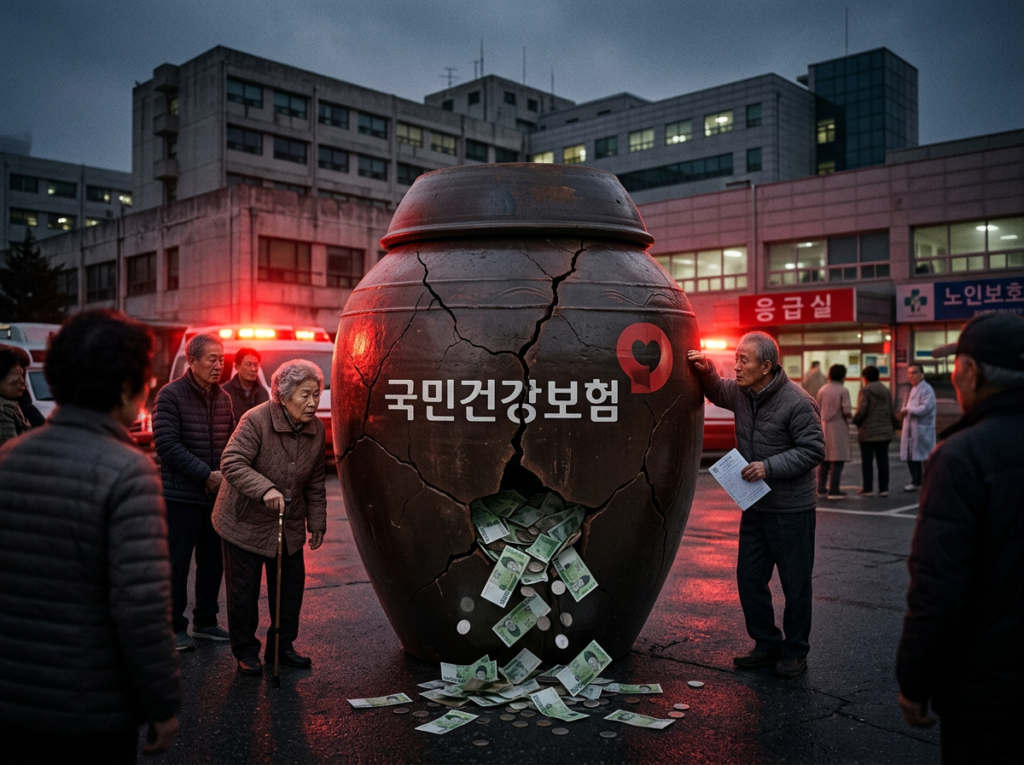
South Korea’s national health insurance system is under
serious financial pressure.
An aging population, rising chronic disease rates, and
excessive use by a small number of heavy users are straining
the budget. The government says a real-time monitoring system
will be built to track how frequently individuals use
outpatient services — and flag overuse before it happens.
Exceptions will be made for patients with medically
unavoidable circumstances, as determined by the Minister
of Health and Welfare.
Other Changes Coming Too
The reform package includes several other updates:
For workers paying health insurance:
- The deadline for employers to report employee salary
information moves from March 10 to March 31 —
giving companies three extra weeks - Installment payment options for surprise insurance
bill settlements will be expanded, making it easier
for more workers to pay in chunks rather than lump sums
Timeline:
- Real-time monitoring system: December 24, 2026
- 300-visit threshold enforcement: January 1, 2027
- Employer deadline extension: Effective immediately
upon promulgation
The Ministry of Health and Welfare is accepting public
comments on the proposed changes until May 4, 2026.
The Bigger Picture
South Korea isn’t alone in wrestling with healthcare
overuse. Japan, Germany, and many European countries
have implemented similar controls.
The challenge is always the same: how do you protect
a generous public system from being exploited, while
still ensuring the truly sick can access the care they need?
Do you think 300 doctor visits per year is still too many? Or is the government going too far? Share your thoughts in the comments.