
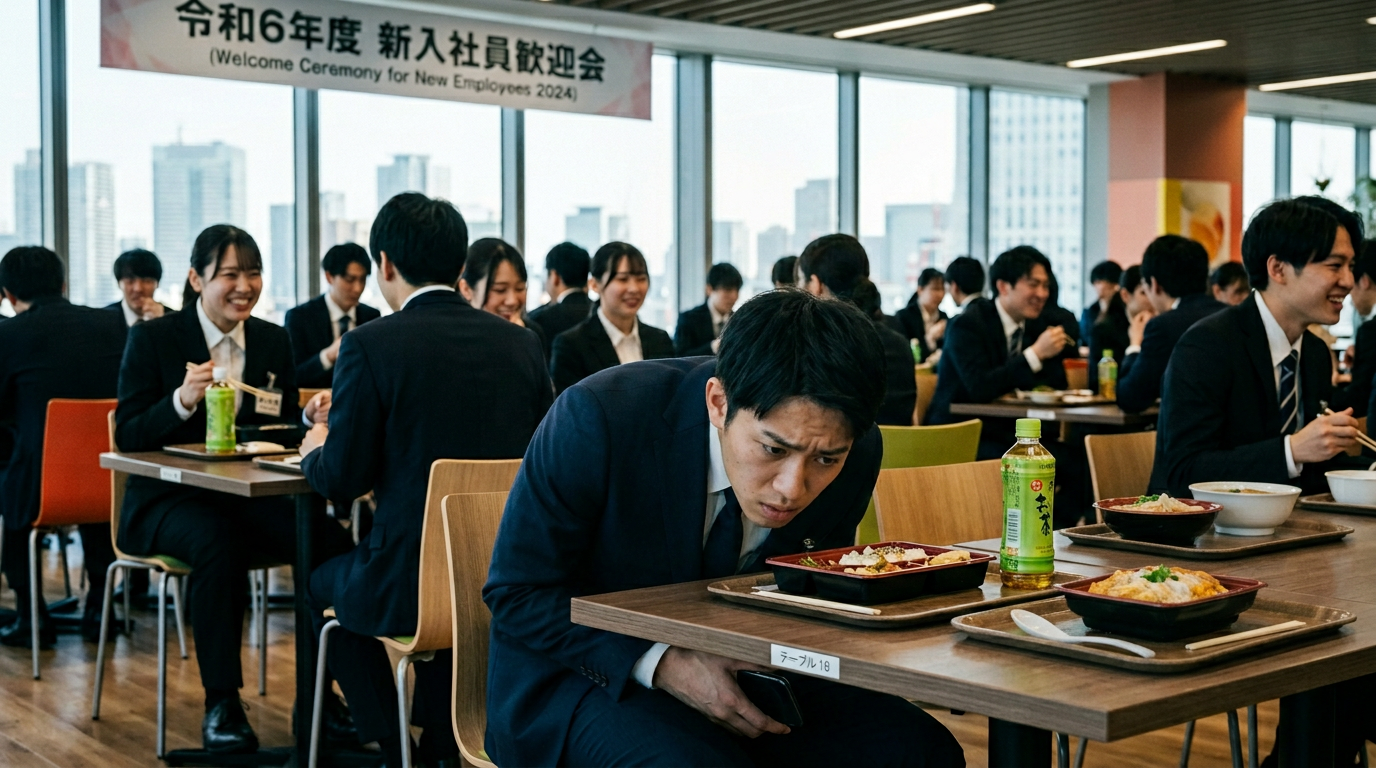
Imagine showing up to your first day of work, sitting through
the orientation ceremony, and then — during the lunch break —
calling a resignation service to quit on the spot.
In Japan, this is no longer hypothetical. It’s happening right now.
The “Day One Quit” Phenomenon
Japan has a booming industry of “resignation agencies” —
companies you pay to submit your resignation letter so you
never have to face your boss directly.
These services have been around for a few years. But something
new is happening in 2026: workers are calling them on their
very first day.
Yamecard, a resignation agency based in Aichi Prefecture,
reported receiving urgent requests from brand-new employees
immediately after their entrance ceremonies concluded.
“We got a call during the lunch break on the first day,”
said company representative Tomomi Matsuyama. “The worker
said they felt extreme anxiety at being left alone without
proper training and never wanted to return.”
Since launching in August last year, Yamecard typically handles
around 10 resignation requests per month. This April alone —
just on the first day of Japan’s new fiscal year — they already
received 2 requests before noon.
“Gacha Culture” — Life as a Random Draw
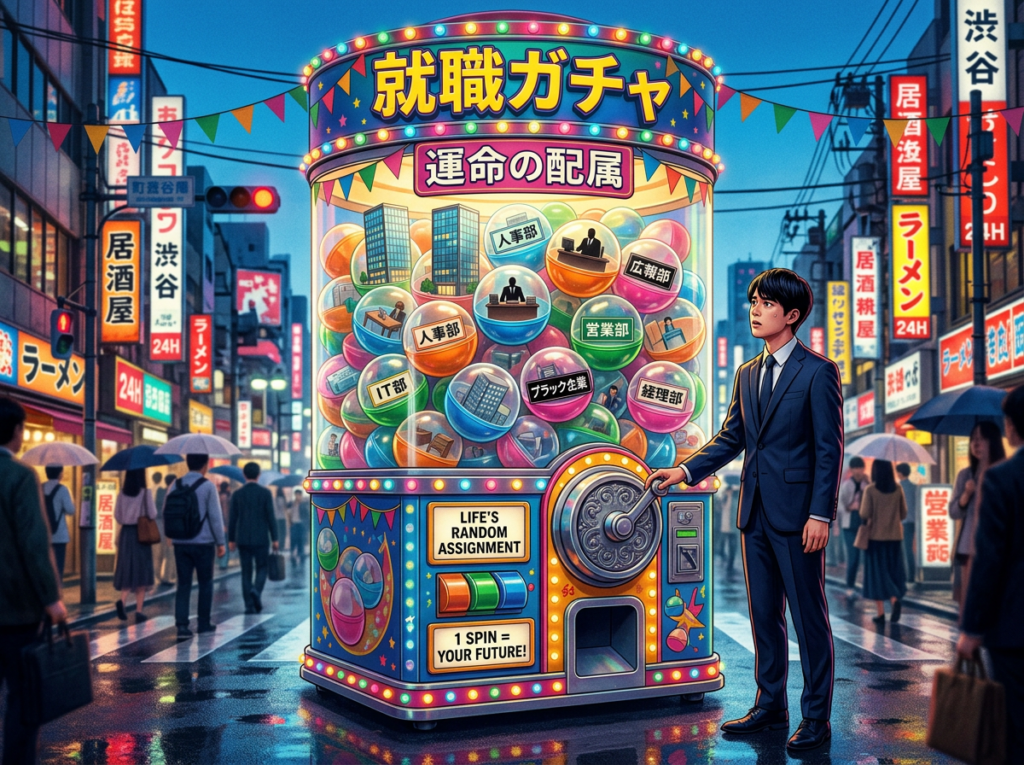
Japanese Gen Z has a name for this phenomenon: gacha culture.
Gacha refers to capsule toy vending machines — you put in your
money, you get a random prize. You can’t choose what you get.
Young workers in Japan describe job placement the same way:
- “Department gacha” — Will I get assigned to the team
I wanted, or somewhere random? - “Boss gacha” — Will my manager be decent, or a nightmare?
If they feel they’ve drawn a losing ticket? They walk. No
guilt. No second thoughts.
The Reasons Are Getting More Personal
What’s fascinating — and controversial — are the reasons
workers are giving for quitting so quickly.
Real examples from recent cases:
- “I don’t like the culture of going out to lunch as a group”
(male employee, quit after 3 months) - “I can’t tolerate the smell of the person sitting next to me”
(female employee, quit after 5 months)
These aren’t complaints about overwork, toxic bosses, or low
pay. They’re deeply personal, individual preferences — things
previous generations simply would have endured.
The Other Side: Senior Workers Are Stressed Too
The rapid-quit culture isn’t only affecting companies.
It’s creating a strange new dynamic between generations.
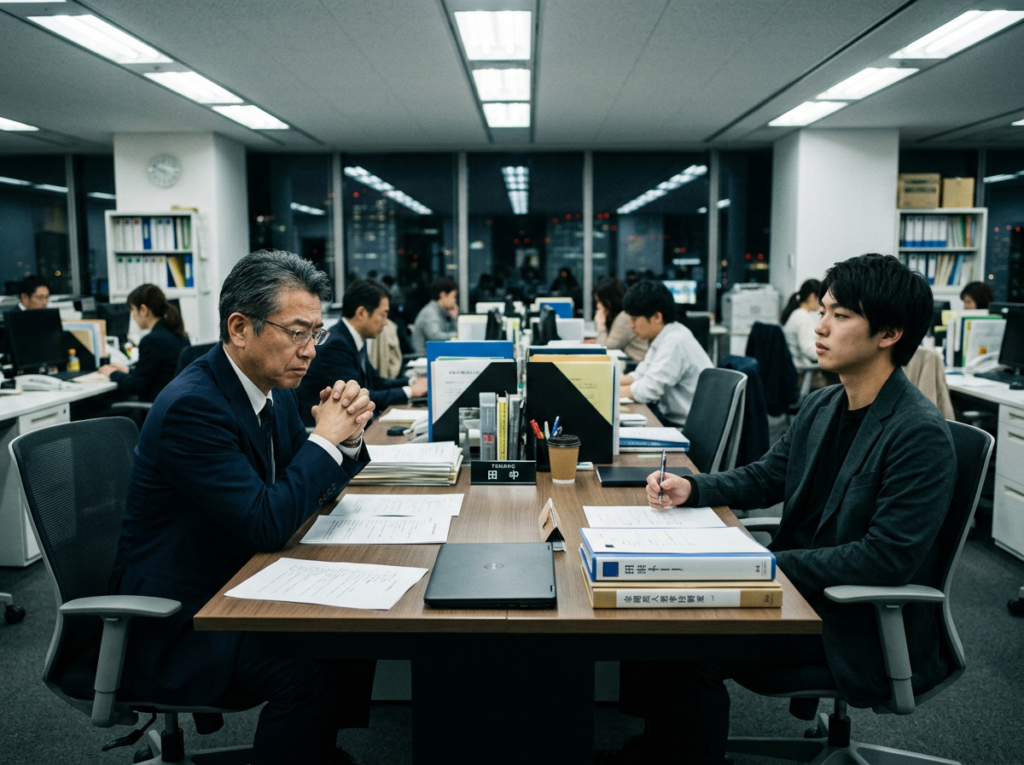
Senior employees now describe walking on eggshells around
new hires. They’re afraid that any form of correction or
criticism will be reported as workplace harassment — so
they treat new employees more like “guests” than colleagues.
One IT company manager put it bluntly: “My junior colleagues
feel like customers to me. The gap in values is so wide that
bridging it feels like its own kind of stress.”
What’s the Fix?
HR consultant Ken Ando argues the answer is psychological safety.
“Telling new employees ‘ask if you don’t know something’ and
then leaving them alone is the worst thing you can do,”
he said. “Seniors should initiate small talk, suggest lunch
together, and make new hires feel genuinely welcomed.
That sense of belonging is the most reliable way to
prevent early resignations.”
Sound Familiar?
If you’re reading this outside Japan, you might be nodding.
The tension between Gen Z workplace expectations and
traditional corporate culture isn’t unique to Japan.
It’s playing out in offices across the U.S., South Korea,
the UK, and beyond.
The difference is Japan has literally built an entire
industry around the exit.
Have you ever wanted to quit on your first day? Or do you think Gen Z is going too far? Tell us in the comments — this one’s going to be a debate. 👇