

South Korea’s government just announced one of its biggest cash
handout programs in recent years — and the income threshold to
qualify is surprisingly high.
Here’s everything you need to know.
What Is This Payment?
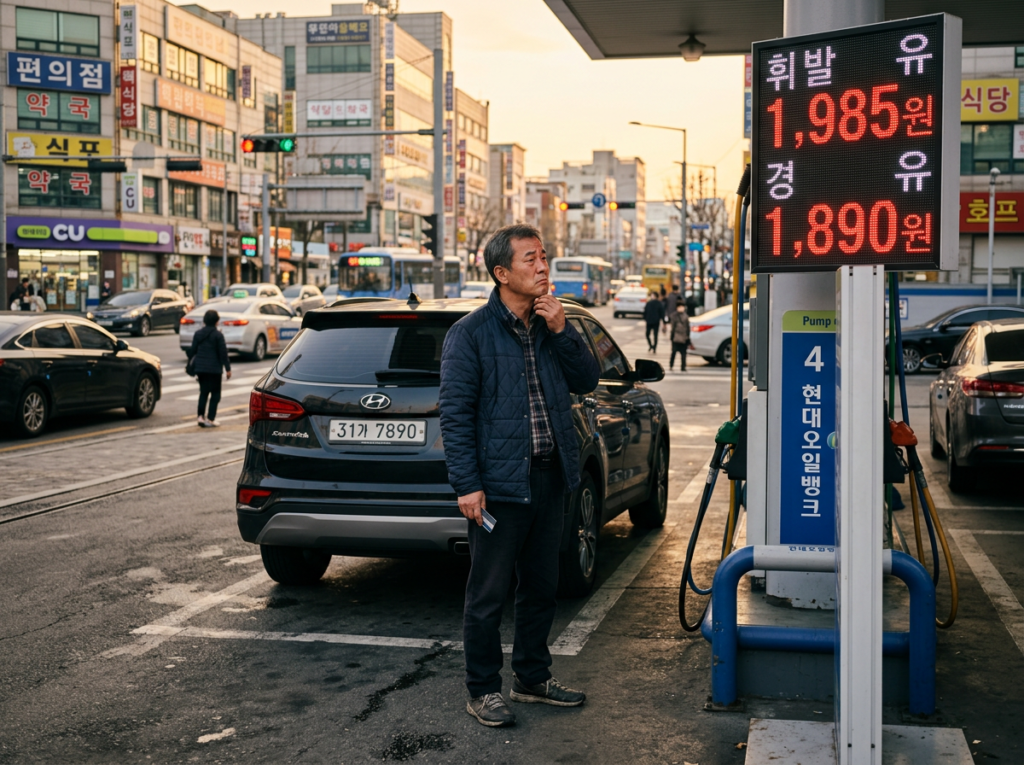
The South Korean government is distributing a “high oil price
relief payment” to help citizens cope with surging energy costs.
The program targets the bottom 70% of income earners —
approximately 32.56 million people — and will distribute
between 100,000 and 250,000 Korean won (roughly $72–$180 USD)
per person.
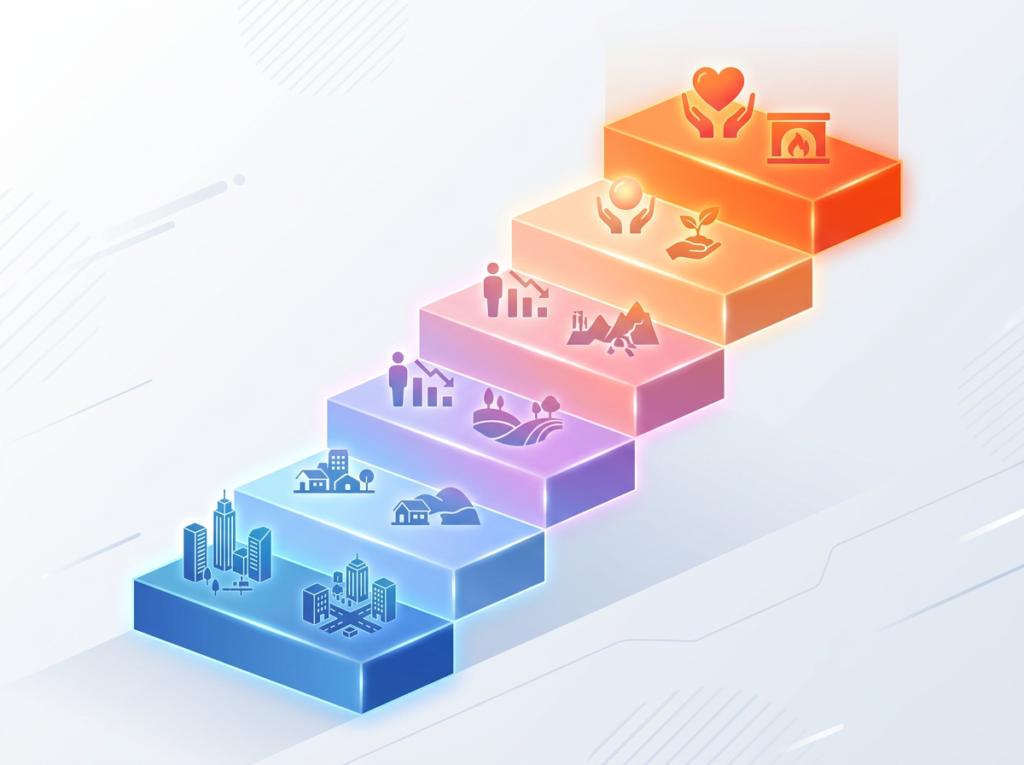
Who Qualifies? The Answer Will Surprise You
The government set the income cutoff at the bottom 70% of
earners, which roughly corresponds to households earning up
to 150% of the median income.
Here’s what that looks like in practice:
- Single person household: up to ₩3,847,000/month (~$2,800)
- 2-person household: up to ₩6,299,000/month (~$4,570)
- 3-person household: up to ₩8,039,000/month (~$5,830)
- 4-person household: up to ₩9,743,000/month (~$7,070)
That last figure — ₩9,743,000 per month for a family of four —
translates to roughly ₩116 million per year, or approximately
$84,000 USD annually.
In other words: even households earning close to six figures
in USD could qualify for this cash payment.
How Much Will You Get?
The amount varies based on where you live and your income level:
- Seoul & metro area: ₩100,000 (~$72)
- Non-metropolitan areas: ₩150,000 (~$109)
- Depopulation zones: ₩200,000 (~$145)
- Special depopulation zones: ₩250,000 (~$181)
Lower-income households get significantly more:
- Near-poverty households: ₩450,000–500,000
- Basic livelihood recipients: ₩550,000–600,000
The system is deliberately designed to give more to those who
need it most — and more to those living outside major cities.
When Will Payments Arrive?
The Korean National Assembly is scheduled to pass the
supplementary budget on April 10.
Based on last year’s timeline:
- First payment (lowest income households): around April 27
- Second payment (remaining eligible households):
approximately 80 days after passage
Final eligibility will be confirmed through health insurance
premium records, not just income figures alone.
Why Is Korea Doing This?
South Korea is heavily dependent on imported energy. With global
oil prices remaining elevated — partly due to ongoing Middle East
tensions — households across the country are feeling the squeeze
at the pump and on utility bills.
The government’s response: direct cash, fast.
Do you think cash handouts are the right way to handle energy price spikes? Or should governments invest in long-term energy solutions instead? Drop your thoughts below.