
In 2026, South Korea has an unemployment benefit
problem that sounds like a joke — but isn’t.
If you’re unemployed in South Korea right now,
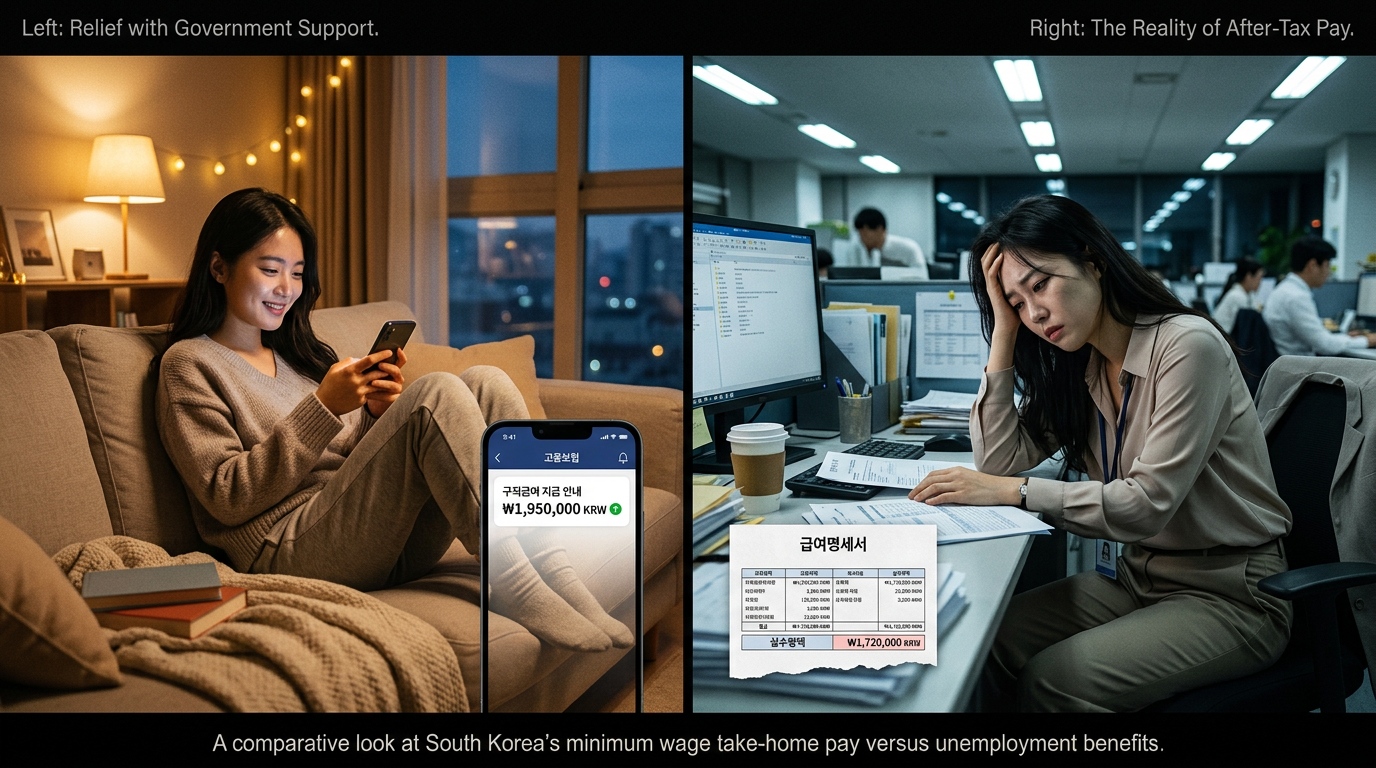
the government pays you ₩1,981,440 per month.
If you’re working full-time at minimum wage?
Your take-home pay is ₩1,947,880 per month.
You read that right. In South Korea,
not working pays more than working.
How Did This Happen?
South Korea’s unemployment benefit system
sets a minimum payment floor — regardless of
what the recipient previously earned.
Meanwhile, minimum wage workers pay taxes,
health insurance, and pension contributions
that are deducted from their paychecks.
The result: after all deductions, a minimum
wage worker takes home less each month than
someone collecting unemployment.
Professor Yoon Dong-yeol of Konkuk University
put it bluntly: “A structure where you receive
more money resting than working, inevitably
reduces the motivation to find a job.”
The Repeat Collector Problem
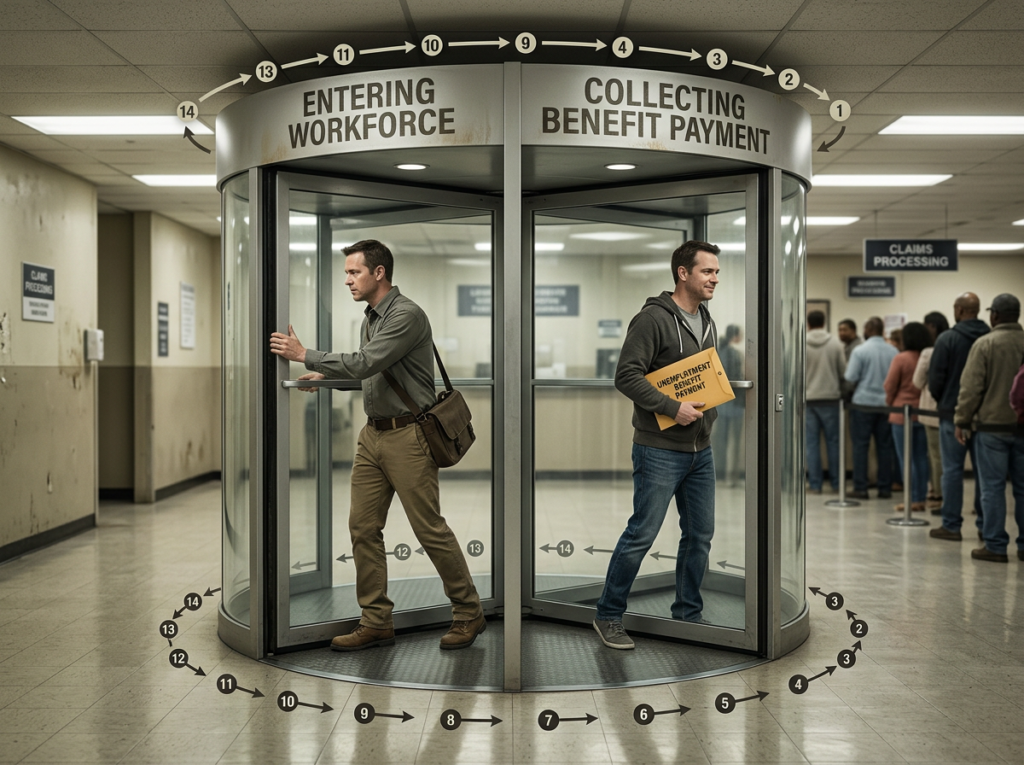
Meet “Person A” — a South Korean in their
mid-50s who has collected unemployment benefits
14 times since 2008.
The system made it easy. Work 6 months.
Collect unemployment for 4 months.
Repeat. No limit on how many times you can do it.
The numbers tell the story:
Payouts to repeat collectors:
- 2016: ₩217.9 billion
- 2025: ₩599.8 billion
That’s nearly 3x growth in a decade —
paid to people cycling deliberately through
the system.

The Fund Is About to Run Out
This isn’t just a fairness problem.
It’s a financial crisis.
South Korea’s unemployment insurance fund
is projected to run a deficit of
₩1.4 trillion next year.
By 2035, the cumulative shortfall is expected
to reach ₩29 trillion.
The fund currently has only ₩46.6 billion
in reserves — enough to last through this year.
After that, something has to give.
What Other Countries Do Differently
Japan and Germany require workers to contribute
to unemployment insurance for 12+ months
within the previous 30-36 months before qualifying.
South Korea? Just 6 months within the
previous 18 months. Half the requirement.
With no cap on repeat claims.
What’s Changing
The government is now pushing for reform:
- Lower the minimum benefit floor to
eliminate the “earning more by not working” paradox - Extend the minimum contribution period
to make repeat cycling harder - Extend benefit duration to better protect
genuinely unemployed workers
But labor unions are pushing back hard.
A similar reform attempt last year was
killed in parliament.
With the fund running dry next year,
the government says reform is now unavoidable.
The alternative? Raise unemployment insurance
premiums for everyone — employed or not.
Is it fair that unemployment benefits exceed minimum wage take-home pay? And how should governments fix this without hurting genuinely unemployed workers? Tell us in the comments. 👇